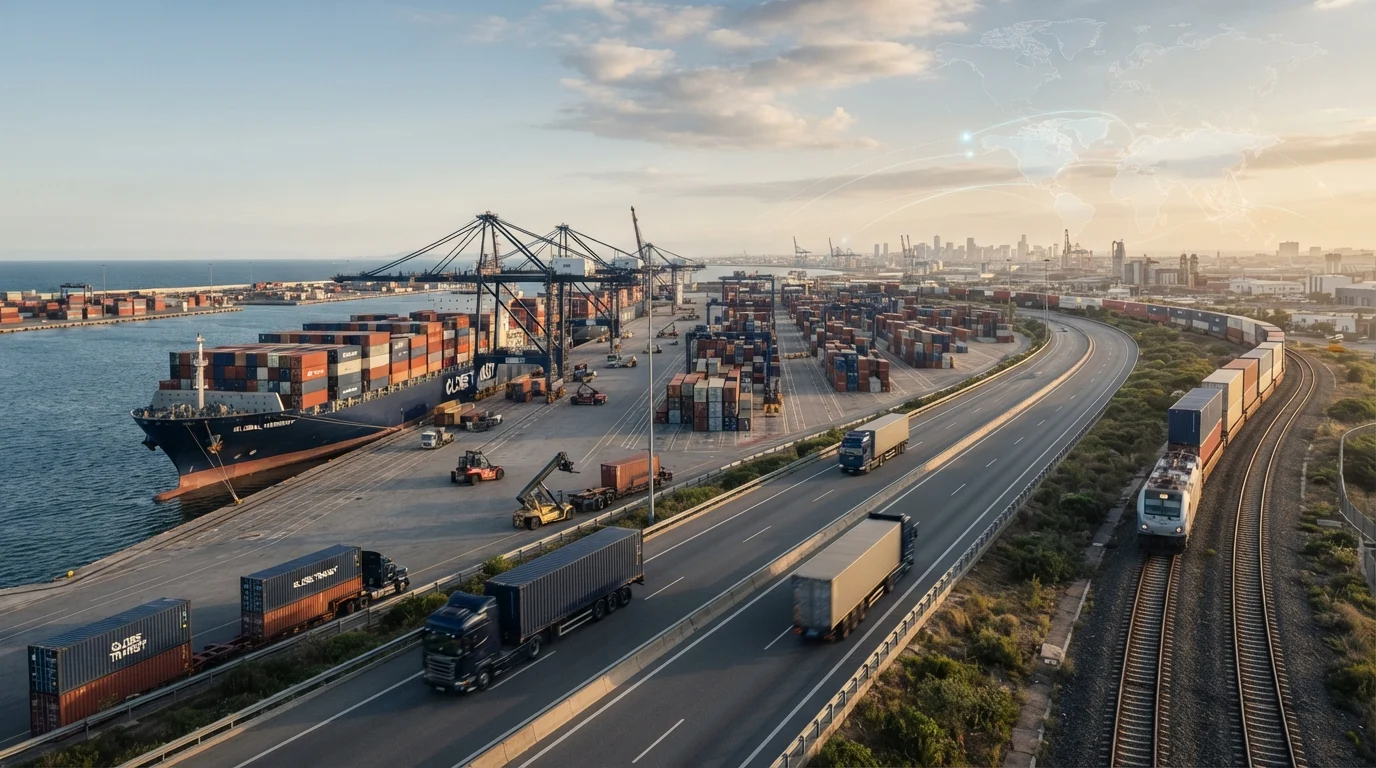
International cargo transportation is one of the most important components of global trade. Every day, businesses move raw materials, industrial equipment, commercial products, vehicles, and consumer goods across borders using different transportation methods and logistics networks.
Choosing the right transportation method, preparing the necessary documentation, managing customs procedures, and coordinating delivery can have a significant impact on the cost, speed, and reliability of an international shipment.
In this guide, we explain the fundamentals of international cargo transportation, the main freight methods available, the typical shipping process, important documentation, and the factors businesses should consider when planning an international shipment.
What Is International Cargo Transportation?
International cargo transportation is the process of moving goods from one country to another through organized transportation and logistics networks.
Depending on the origin, destination, type of cargo, delivery requirements, and budget, goods can be transported by road, rail, sea, air, or a combination of several transportation methods.
A successful international shipment involves much more than simply moving cargo from point A to point B. It can involve:
- Transportation planning
- Cargo preparation
- Commercial documentation
- Customs procedures
- Transit coordination
- International sourcing
- Route planning
- Carrier coordination
- Delivery management
For businesses involved in international trade, effective logistics planning can help reduce delays, control transportation costs, and improve supply chain reliability.
Main Types of International Cargo Transportation
There is no single transportation method that is ideal for every shipment. The appropriate solution depends on the cargo, destination, timeline, and commercial requirements.
1. Road Freight Transportation
Road transportation is widely used for international cargo because it provides flexibility and allows goods to be transported directly between locations.
It can be particularly useful when the origin and destination are connected by road networks and when businesses require flexible delivery arrangements.
Common advantages include:
- Flexible routing
- Door-to-door transportation possibilities
- Suitable for different cargo types
- Easy coordination with other transportation methods
- Convenient access to border crossings
For international shipments, road freight may also be combined with rail or sea transportation as part of a multimodal logistics solution.
2. Rail Freight Transportation
Rail transportation can be an effective option for moving cargo over long distances, particularly when large quantities of goods need to be transported.
Rail freight can provide a practical balance between transportation capacity, cost, and delivery time depending on the route and infrastructure available.
It is also commonly used as part of combined transportation solutions, where cargo moves through more than one transportation mode.
3. Sea Freight Transportation
Sea freight is an important option for international trade, particularly for large or heavy shipments traveling between countries and continents.
Containerized shipping allows businesses to transport substantial quantities of cargo through international maritime networks.
Sea transportation can be suitable when:
- The shipment is large or heavy
- Delivery time is less critical
- International maritime routes are available
- Transportation cost needs to be optimized
Because sea freight involves ports, inland transportation, customs procedures, and additional documentation, effective coordination is essential.
4. Multimodal Transportation
Multimodal transportation combines two or more transportation methods within one logistics operation.
For example, cargo might travel by truck from the supplier to a railway terminal, continue by rail, and then be transported by truck to its final destination.
A multimodal solution can help businesses take advantage of the strengths of different transportation methods while creating a more flexible international logistics plan.
How Does International Cargo Transportation Work?
Although every shipment is different, the international cargo transportation process generally involves several important stages.
Step 1: Define the Cargo Requirements
The first step is understanding the shipment itself.
Important information may include:
- Type of goods
- Quantity
- Weight
- Dimensions
- Packaging
- Origin
- Destination
- Required delivery time
- Special handling requirements
Accurate cargo information helps logistics providers determine appropriate transportation options and estimate costs.
Step 2: Choose the Transportation Method
The next step is selecting the most appropriate transportation method.
Businesses may choose road, rail, sea, or a combination of transportation methods depending on their requirements.
The cheapest option is not always the best option. Delivery time, reliability, cargo characteristics, route availability, customs requirements, and overall supply chain costs should all be considered.
Step 3: Prepare Commercial Documentation
International shipments require appropriate documentation.
Depending on the transaction and destination, documents can include commercial invoices, packing lists, transportation documents, customs documentation, permits, and other commercial records.
Incorrect or incomplete documentation can lead to delays and additional costs.
Step 4: Customs Clearance
Customs procedures are an important part of international cargo transportation.
Goods may need to be declared to customs, supported by appropriate documentation, and processed according to the regulations applicable to the shipment.
Professional customs and documentation support can help businesses navigate these procedures more efficiently.
Step 5: Transportation and Transit
Once the necessary procedures have been completed, the cargo can begin its journey.
Depending on the logistics plan, the shipment may pass through multiple locations, terminals, border crossings, or transportation modes before reaching its destination.
Effective coordination during this stage helps ensure that cargo remains on schedule.
Step 6: Final Delivery
The final stage is delivery to the destination specified by the customer.
A successful logistics operation should maintain visibility and coordination throughout the journey rather than focusing only on the initial transportation stage.
What Documents Are Important for International Cargo?
Documentation requirements vary depending on the type of cargo, origin, destination, transportation method, and applicable regulations.
Common documents may include:
- Commercial invoice
- Packing list
- Transportation documents
- Customs declarations
- Import or export permits
- Certificates and supporting commercial documents
Businesses should determine the specific documentation requirements for each shipment before transportation begins.
Working with experienced logistics and customs professionals can help identify missing documents and reduce the risk of unnecessary delays.
What Factors Affect International Transportation Costs?
International cargo transportation costs depend on several factors.
Cargo Characteristics
The type, weight, dimensions, and quantity of goods can influence transportation requirements and pricing.
Origin and Destination
Distance, route availability, border crossings, ports, and infrastructure can all affect the overall cost.
Transportation Method
Road, rail, sea, and multimodal transportation have different cost structures.
Delivery Time
Urgent shipments may require more expensive transportation solutions, while businesses with flexible delivery schedules may have more options.
Customs and Documentation
Customs procedures, permits, commercial documentation, and other requirements can contribute to the total logistics cost.
Additional Services
Services such as sourcing, supplier verification, customs clearance, documentation, and special cargo handling can also affect the overall cost of an international shipment.
How Can Businesses Improve International Cargo Transportation?
Effective international logistics begins with planning.
Businesses can improve their shipping operations by:
Plan Before Shipping
Avoid waiting until the last moment to arrange transportation and documentation.
Provide Accurate Cargo Information
Accurate information about weight, dimensions, quantity, and cargo type helps logistics providers develop a more appropriate transportation plan.
Prepare Documentation Early
Commercial and customs documents should be reviewed before the shipment reaches the border or customs office.
Compare Transportation Options
Consider more than the initial freight price. Delivery time, reliability, customs requirements, and the complete logistics cost should also be evaluated.
Work With Experienced Logistics Professionals
An experienced logistics partner can coordinate transportation, documentation, customs procedures, and other parts of the supply chain.
International Cargo Transportation and Supply Chain Management
International transportation is only one part of a larger supply chain.
For many businesses, logistics begins before the cargo is even purchased.
A complete international supply chain may involve:
Supplier Identification → Purchasing → Documentation → Customs → Transportation → Transit → Delivery
This is why businesses may benefit from working with a logistics partner that understands more than transportation alone.
Aram Seir Ofogh provides international transportation services across road, rail, sea, and multimodal transportation, alongside customs, trade, and international sourcing services. The company’s stated capabilities include customs clearance, commercial documentation, import and export consultancy, transit support, international procurement, and foreign supplier identification and verification.
Why Choose the Right International Logistics Partner?
International cargo transportation involves multiple stages, parties, and potential challenges.
A capable logistics partner can help coordinate these elements and provide a more organized approach to international shipments.
When evaluating a logistics provider, businesses should consider:
- Industry experience
- Transportation capabilities
- International partner network
- Customs and documentation expertise
- Communication and customer support
- Ability to provide suitable transportation solutions
- Understanding of the customer’s specific cargo requirements
The right partner should be able to understand the complete logistics requirement rather than focusing on transportation as an isolated service.
Final Thoughts
International cargo transportation is a complex process involving transportation planning, documentation, customs procedures, transit coordination, and final delivery.
Road, rail, sea, and multimodal transportation each have their own advantages, and the right solution depends on the characteristics and requirements of each shipment.
For businesses involved in international trade, careful planning and professional logistics coordination can help create a more reliable and efficient supply chain.
Whether you are transporting commercial products, industrial equipment, or other types of cargo, understanding the transportation process is the first step toward making better logistics decisions.
Need an International Transportation Solution?
Aram Seir Ofogh provides international transportation and logistics services designed to support businesses throughout different stages of the supply chain.
Request a Quote or Contact Our Team to discuss your transportation requirements.